For a blind or low-vision viewer, a film without audio description is a series of sounds with no explanation. Who just walked in? What is on the table? Why is everyone laughing? Audio description fills the gap with short spoken narration placed between the dialogue, and it has become a requirement or a standard in many countries for television, streaming and live events. When the content is in English and the audience is in Brazil or Portugal, the description must be written again in Portuguese, not only translated. Good audio description is not a translation of subtitles, it is a script written for the ear that tells a visual story in the time available. This article explains how producers can approach it.
What Audio Description Is
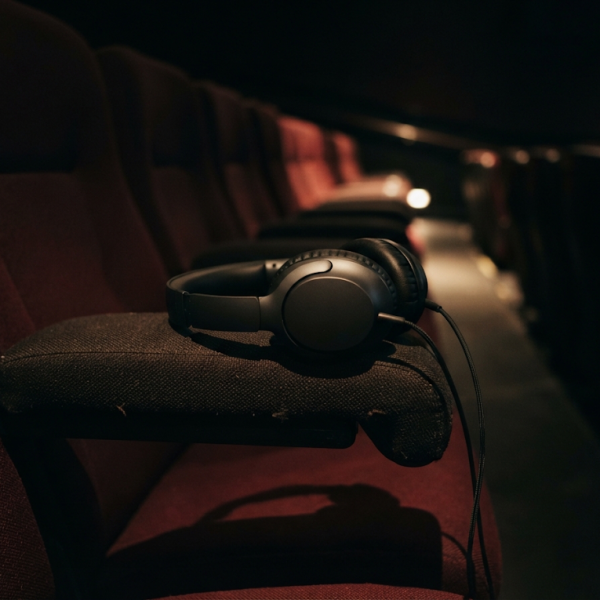
Audio description, sometimes called descriptive audio, is a narration track that describes actions, settings, costumes, facial expressions and on-screen text. It is inserted in pauses, so it must be brief and precise. It supports people who are blind or have low vision, and it is also used by people who listen without looking at the screen. In museums and theatres, similar descriptions are provided through headsets or guided tours.
Standards and Guidelines
Accessibility rules vary by country, but many follow common principles of clarity, neutrality and completeness. The Web Accessibility Initiative of the World Wide Web Consortium explains requirements for media alternatives at w3.org/WAI, which is a good starting point for online video. Check national broadcasting rules as well, since some require a certain share of programmes to include audio description.
Write for the Ear
The describer chooses what matters most. Priority goes to who, what, where and when, followed by details that change the meaning of a scene. Use present tense and simple words. Avoid opinions and interpretations, since the listener should form their own view. The language should fit the tone of the film. A comedy may have lighter descriptions, while a thriller needs tighter and quieter ones.
Timing Is the Hardest Part
Descriptions must fit into gaps between lines and sounds. A sentence that takes five seconds cannot be placed in a three second pause. Portuguese often needs more syllables than English for the same idea, so a direct translation of a description may not fit. The writer has to rework each line, choosing shorter words or dropping minor details. A timed script with in and out points is the foundation of the work.
Portuguese for Two Audiences
Brazilian and European Portuguese differ in vocabulary, pronunciation and rhythm. A description for Brazil may use words that sound unusual in Portugal, and the reverse. Decide the target audience early and choose a narrator whose accent fits it. A provider of portuguese translation services can adapt scripts for each variant, and ensure that names of places, objects and cultural references sound natural to the listener.
Adapting From an English Script
If an English description already exists, it can be a useful reference, but it should not be copied word for word. The new script should be checked against the picture, since different languages emphasise different details. Names, signs and written text on screen, such as titles or messages, must be read in the target language. Keep a style guide that states how to describe characters, whether to name them early and how to handle violence or nudity.
Voice and Recording
The narrator should have a clear, neutral voice that does not compete with the actors. Recording requires a quiet studio and direction by someone who knows the aims of audio description. The final track is mixed with the original sound, and levels must be balanced so that descriptions are audible without covering dialogue. Test the mix with listeners who use the service.
Where Technology Helps
New tools can assist with drafting scripts and synthesising voices, but human review remains essential. Machines can miss context, misread an emotion or describe something irrelevant. For a broader view of how automation fits into content work, see this article on AI agents for business automation, and use such tools only with expert oversight when quality and dignity matter.
Consult the Audience
The best advice comes from the people who use the service. Invite blind and low-vision viewers to test the description and give feedback on pace, detail and tone. Many organisations of blind people can help with testing. Their comments often reveal needs that a sighted team would not think of, and they lead to better products.
Plan the Workflow and Budget
Audio description should be planned at the start of a project. Lock the picture before writing the script, since changes in editing affect timing. Allow time for writing, review, recording and mixing, and include the cost in the budget. Avoid treating it as a last minute extra. When it is part of the plan, it is cheaper and of higher quality.
Extend It to Other Content
Once you have a process, apply it to trailers, social media clips, training videos and live events. Consistent terms and character names across all content help listeners follow a series. Reusing a glossary and a style guide saves time and raises quality, and it shows respect for every member of the audience.